


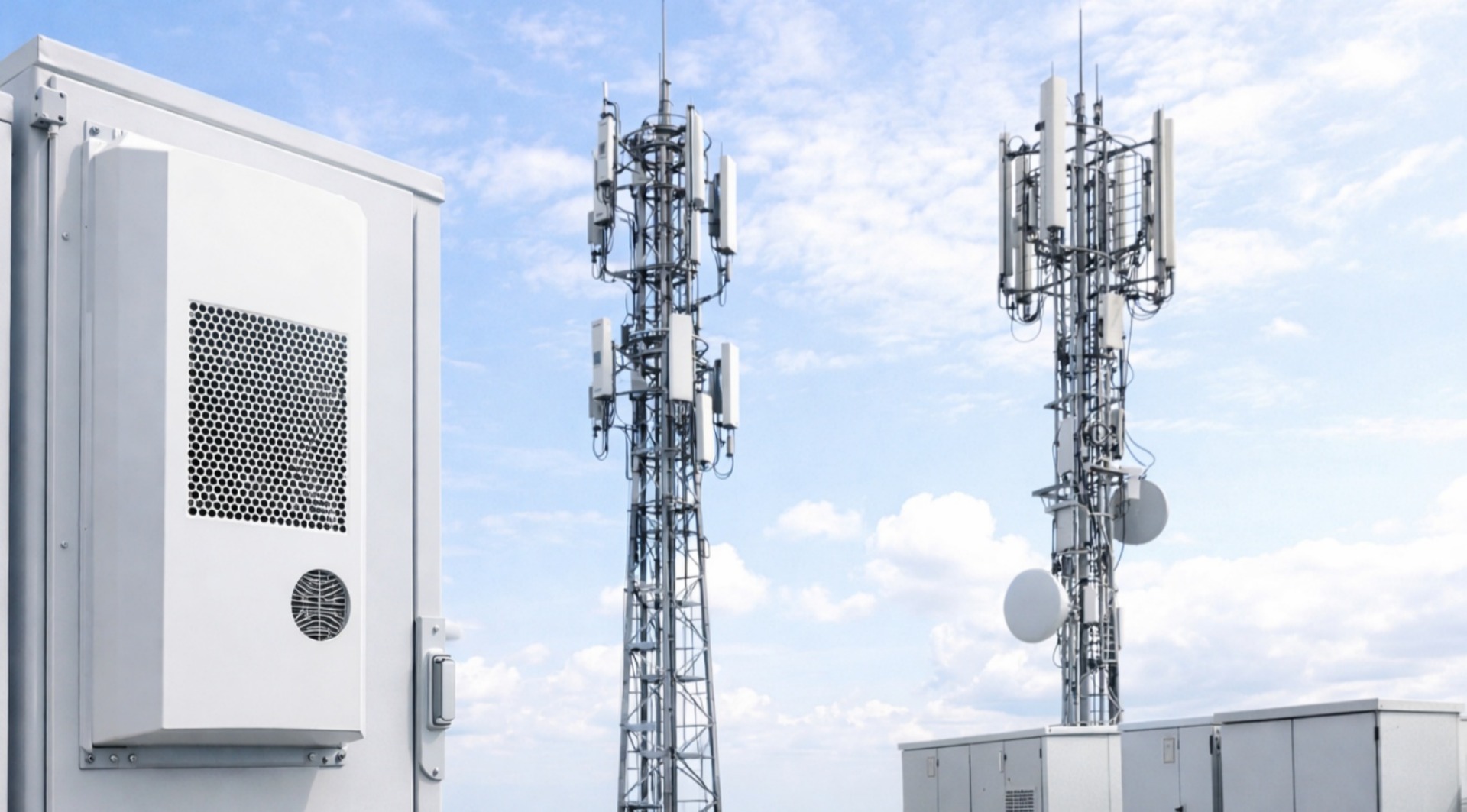
DC Heat Exchanger for Outdoor Cabinet (-48VDC)
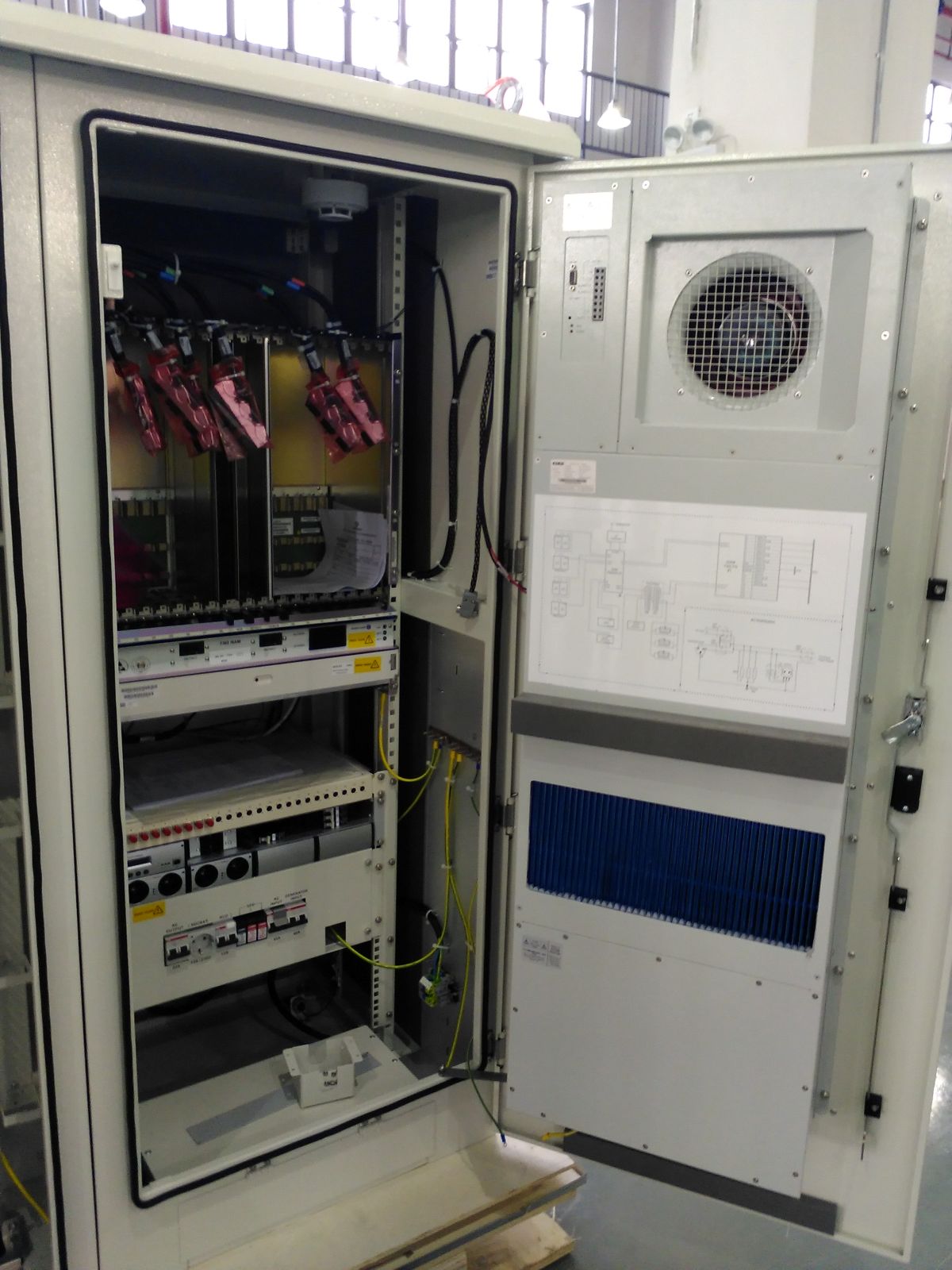
The DC heat exchanger for outdoor cabinets is a closed-loop thermal management solution that removes heat from sensitive electronics without introducing outside air into the enclosure. Powered by -48VDC (±20%), it is ideal for telecom, smart grid, and remote monitoring cabinets where DC power is available and long-term reliability is critical.
Unlike compressor-based air conditioners, a heat exchanger does not use refrigerant and typically consumes much less energy. It is designed to reduce dust, humidity, and corrosive air ingress, helping extend the service life of controllers, power modules, communication devices, batteries, and networking equipment in outdoor environments.
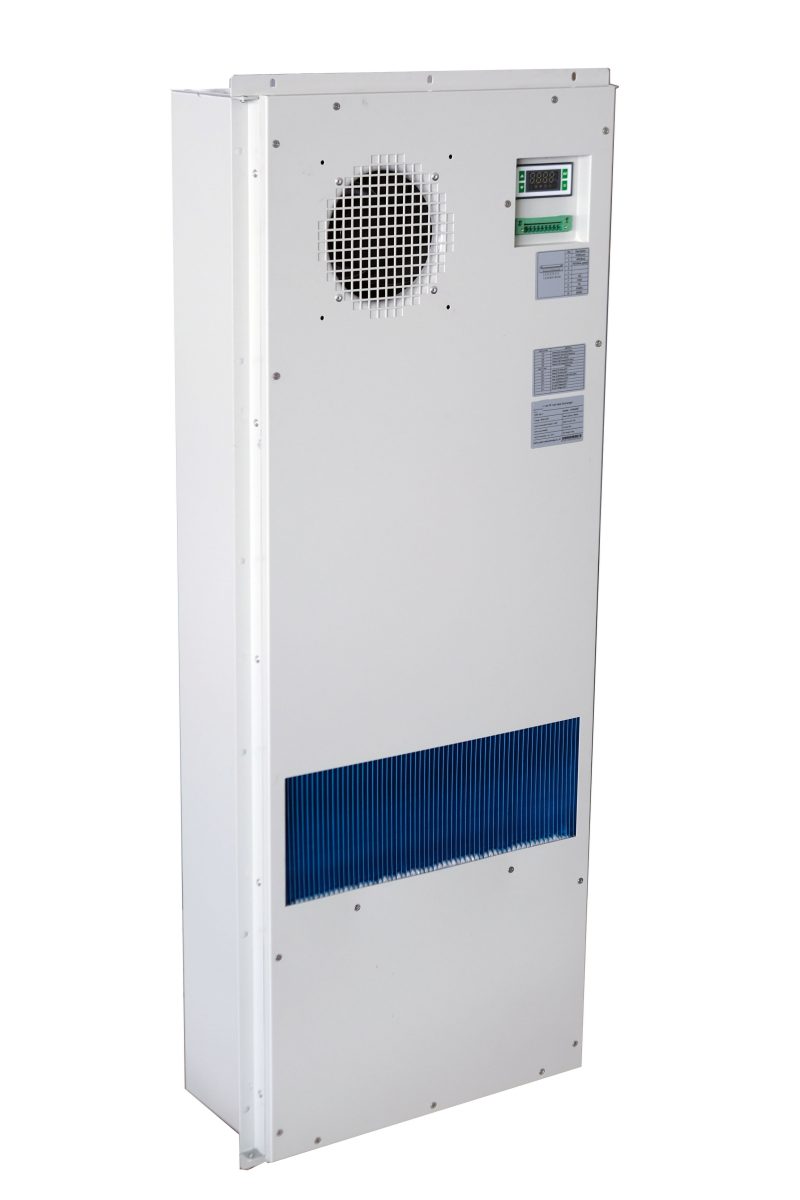
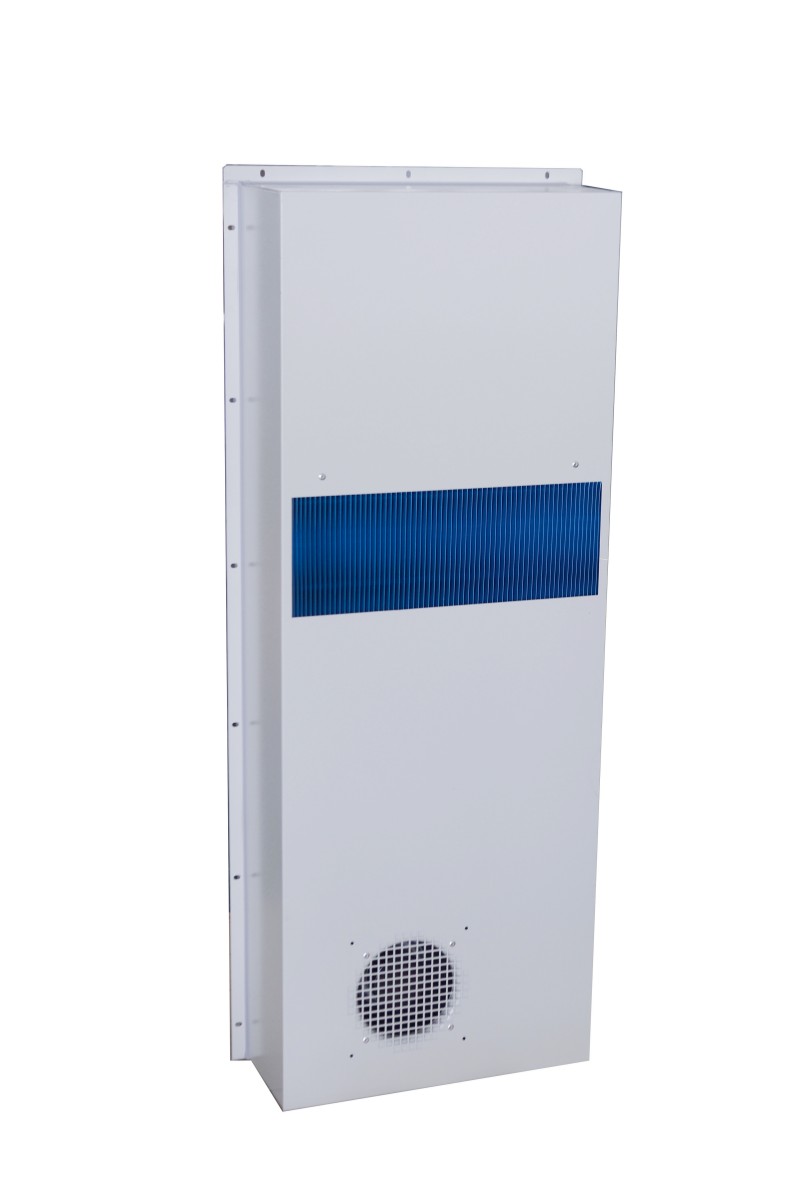
Why Choose a DC Heat Exchanger?
Closed-loop cooling: internal and external air paths are isolated to keep contaminants out
Lower energy consumption: fan-driven heat transfer, no compressor
Lower maintenance: fewer wear parts, simplified service
Reliable for remote sites: stable DC power operation and optional alarms/monitoring
Best for “ambient-assisted” cooling: excellent when outdoor temperature is lower than cabinet internal temperature
Note: A heat exchanger cannot cool below ambient temperature. If you need cabinet temperature below ambient (e.g., hot desert summers), choose a DC/AC cabinet air conditioner instead.
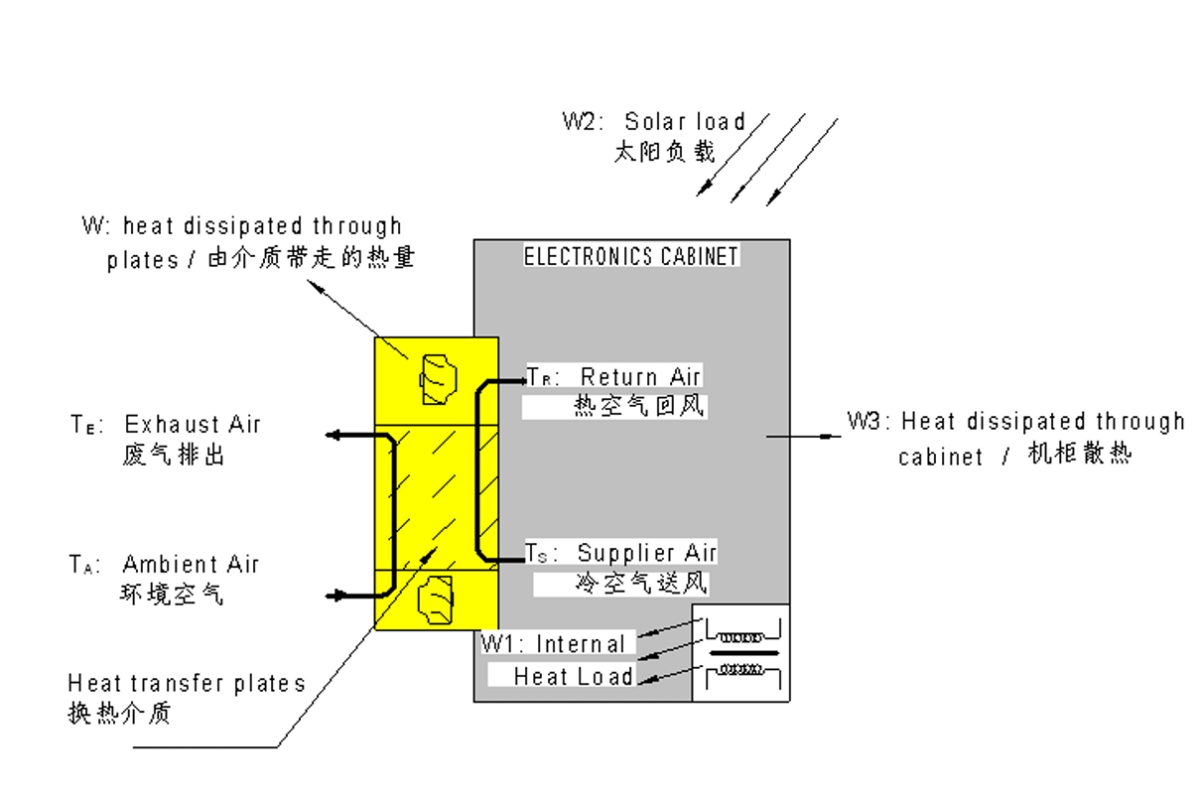
How It Works (Closed-Loop Principle)
Internal circulation: a DC fan pulls hot air from inside the cabinet through the internal heat exchange core.
External circulation: a separate DC fan moves outside air through the external side of the core.
Heat transfer: heat passes through the exchanger core to the outdoor air stream.
No air mixing: internal and external air do not mix, maintaining enclosure cleanliness and protection.
Typical Applications
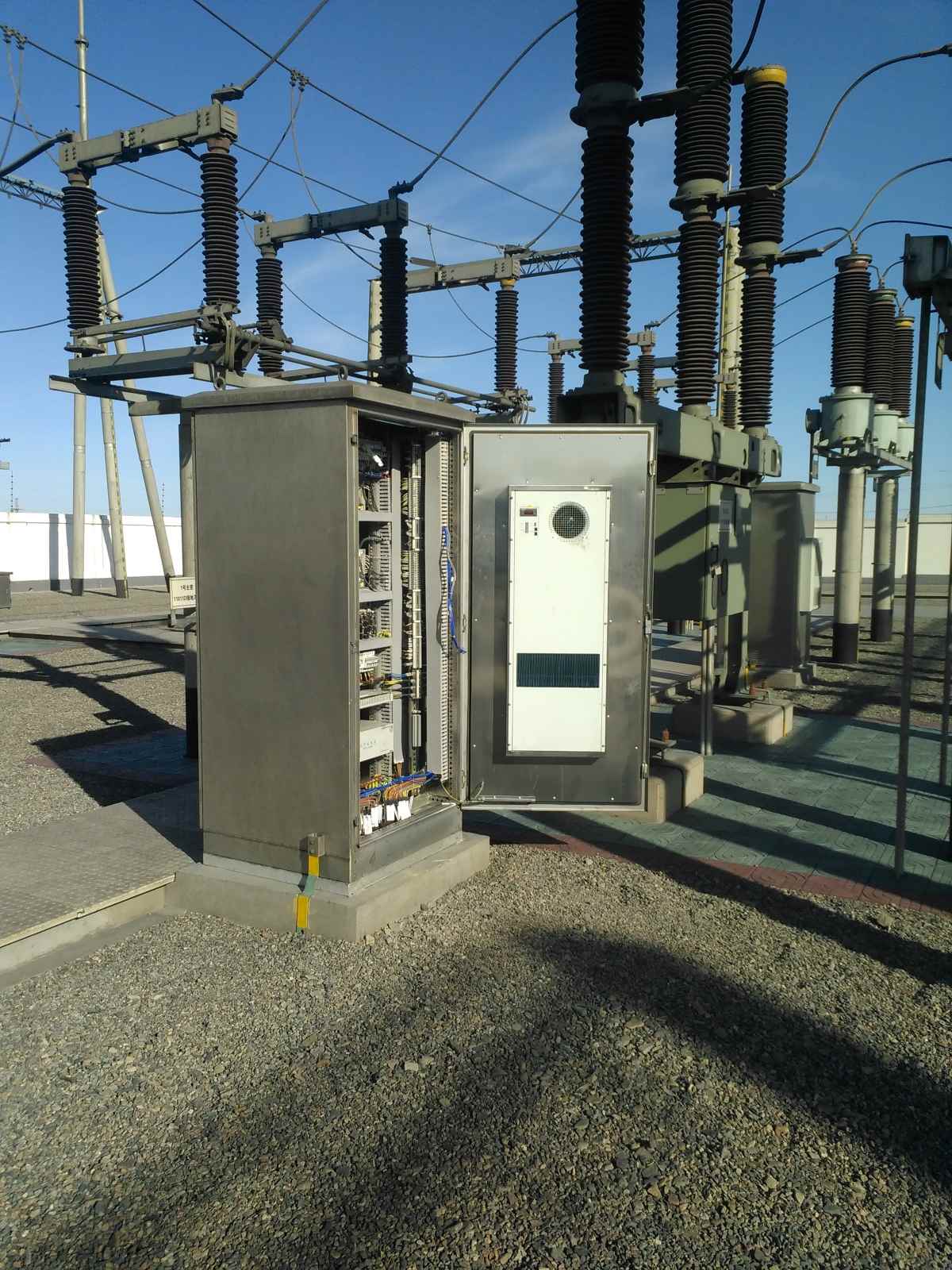
Telecom outdoor cabinets: power cabinets, transmission cabinets, base station auxiliary enclosures
Smart grid & utility cabinets: feeder automation, protection/control panels, RTU/SCADA cabinets
Remote monitoring cabinets: sensors, data acquisition, edge computing equipment
Industrial outdoor control cabinets: PLC panels, pumping stations, water treatment sites
Product Highlights (Standard Configuration)
DC Input Voltage Range: -48VDC ±20%
Protection Level: IP55 (suitable for outdoor cabinet environment)
Communication: RS485 (monitoring-ready; protocol options available on request)
Cabinet Material: SGCC steel
Surface Finish: RAL7035 (industrial cabinet grey)
Installation: Semi-embedded (space-saving, clean appearance)
Optional / Custom Options
Door switch input, remote alarm output (dry contact)
Temperature/humidity sensors, filter status alarm
Higher corrosion resistance design for coastal/industrial zones
Custom dimensions / airflow configuration based on cabinet layout
Key Benefits for Outdoor Cabinets
1) Keeps Electronics Clean and Stable
Closed-loop operation prevents dust, salt fog, insects, and polluted air from entering the cabinet—helping reduce corrosion and electrical failures.
2) Energy-Saving Cooling for DC Power Sites
Designed for DC power systems (battery/rectifier/solar-hybrid), reducing operating cost and supporting unmanned deployments.
3) Easy Integration and Monitoring
RS485 monitoring enables remote status checks and alarms, reducing on-site visits and improving maintenance efficiency.
Selection Guide (How to Choose a Model)
To size a DC heat exchanger correctly, share these details:
Cabinet size (W×H×D) and installation position
Heat load (W): total power loss of equipment (recommended)
Target cabinet temperature and worst-case ambient temperature
Cabinet layout & airflow path (hot spot locations)
Monitoring requirement (RS485 / alarm outputs)
Practical rule: heat exchangers perform best when ambient temperature is lower than the target cabinet temperature. If ambient frequently exceeds your target, consider adding a cabinet AC solution.
Installation Notes (Semi-Embedded)
Keep sufficient clearance for external airflow inlet/outlet
Ensure cabinet sealing is maintained after cut-out
Use proper drainage / rain-proof measures if required by site
Route DC power and communication cables separately from high-noise power lines where possible
Maintenance
Periodically inspect and clean external air path/filter (based on dust level)
Check fan operation and alarm status
Confirm cabinet sealing and fasteners after seasonal temperature swings
FAQ
Q1: Can a heat exchanger replace a cabinet air conditioner?
It depends. A heat exchanger is excellent for energy saving when ambient temperature is below cabinet target temperature. If you need cooling below ambient, use a cabinet air conditioner.
Q2: Does outside air enter the cabinet?
No. Internal and external air streams are isolated (closed-loop), which helps keep the cabinet clean.
Q3: Can it work on -48VDC power systems?
Yes. Standard configuration supports -48VDC ±20%.
Q4: Can I monitor it remotely?
Yes. RS485 communication is available for monitoring and alarms.
Request a Selection / Quote
Send us your cabinet size, heat load (W), ambient conditions, and installation requirement. We will recommend the most suitable DC heat exchanger configuration for your outdoor cabinet.